

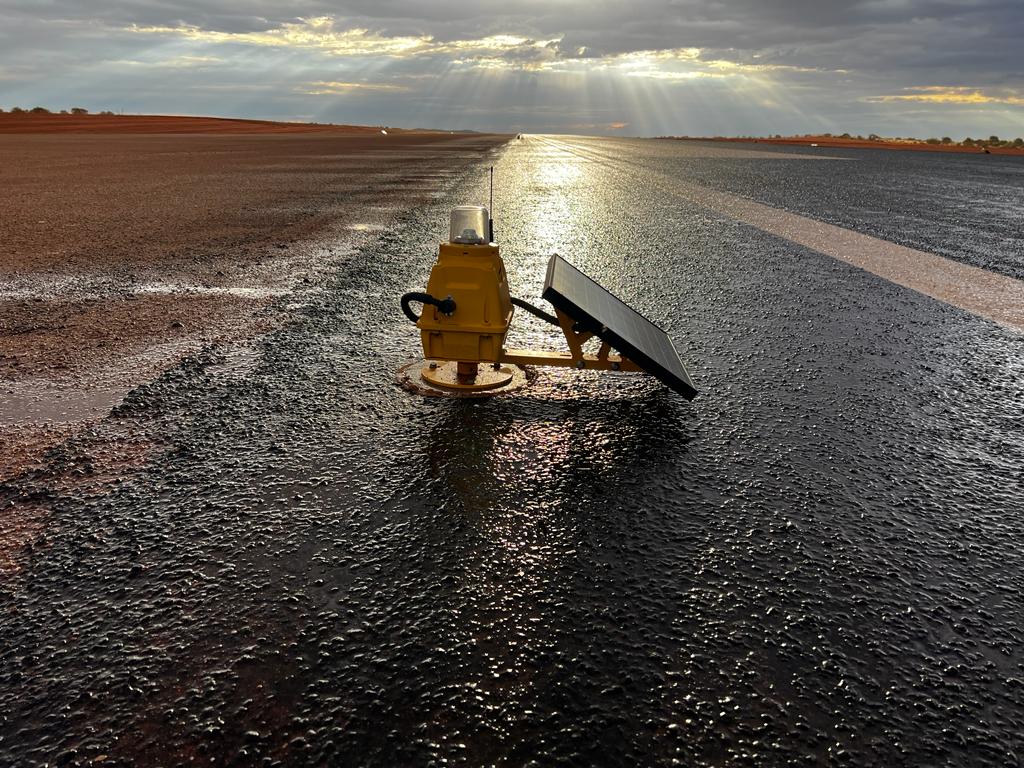
Investing in a new solution always carries a risk. With solar airfield lighting, that risk is often perceived as higher, as it combines both financial and operational considerations. As a result, airport operating companies tend to approach such decisions with caution—especially when evaluating a new supplier or a solution they have not used before.
So how can these risks be mitigated? At S4GA, they are addressed through a structured feasibility study and on-site testing.
A feasibility study provides a comprehensive assessment of the solar airfield lighting system against technical and operational requirements. It allows a complete understanding of the system’s capabilities without any financial exposure. Key aspects of evaluation include operational suitability, financial considerations, and regulatory compliance.
Operational suitability assesses whether the airfield lighting system can support the airport’s actual requirements. It does not rely on assumptions about regional sunlight. Instead, it compares energy production and consumption under real operating conditions.
For S4GA solar airfield lighting, operational capability is calculated using PVGIS, allowing performance to be modelled against local irradiation data and expected operational demand, rather than general climate averages.
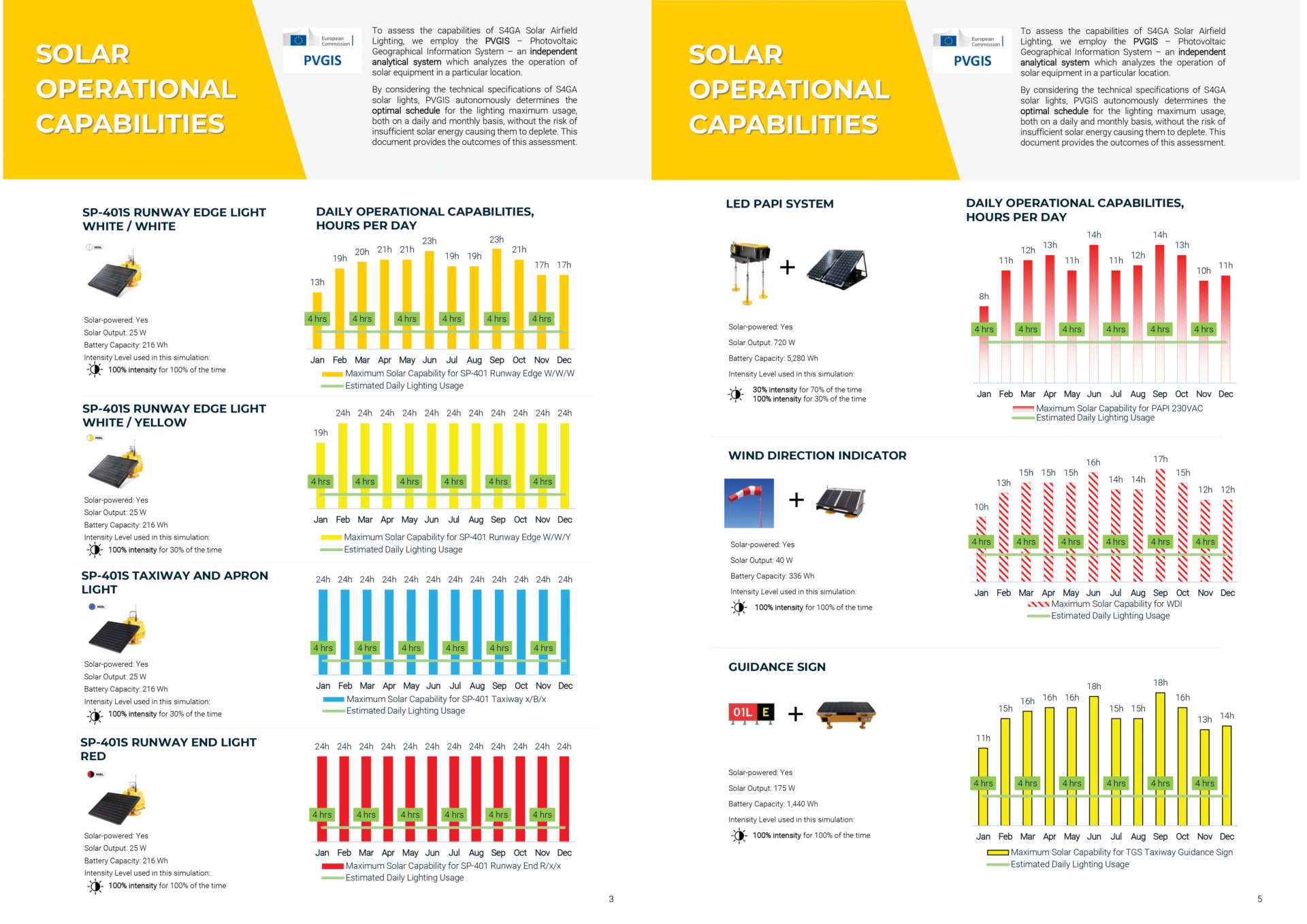
Extract from the feasibility study of the S4GA solar airfield lighting system for an airport in French Polynesia
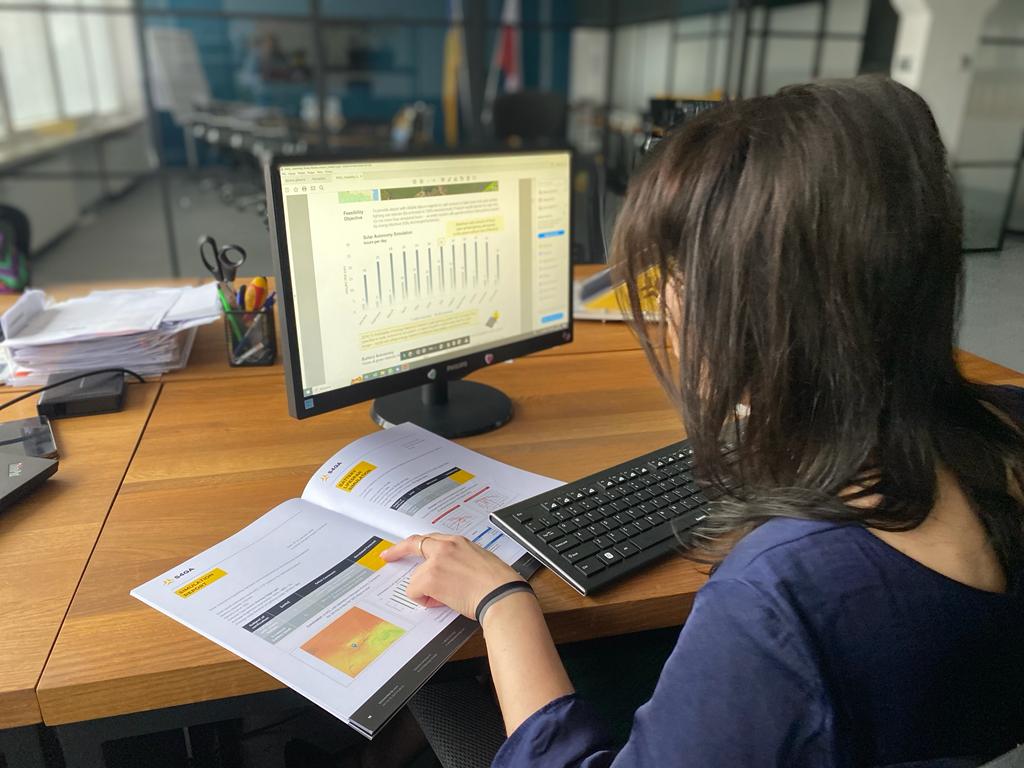
Based on our experience, when an airport evaluates a solar airfield lighting solution, it is rarely assessed in isolation. It is typically compared either with a wired (6.6A powered) system or with other solar AGL proposals. For this reason, we assess both system types — comparing cost structure, system scope, and maintenance requirements — to support a grounded and transparent decision.
Another objective of the financial analysis within the feasibility study is to determine whether the proposed solution aligns with the airport’s budget planning and financial constraints while remaining predictable over time, rather than focusing solely on upfront savings. This includes capital expenditure (CAPEX) for equipment, installation, and commissioning, as well as operational expenditure (OPEX) over the system’s service life.
Regulatory compliance evaluates whether the proposed system aligns with global aviation regulations (ICAO), regional requirements (FAA, EASA, CASA), or national CAAs. This step ensures that the lighting configuration, performance characteristics, and system behaviour are suitable for certification, inspection, and operational acceptance by aviation authorities.
S4GA solar airfield lighting systems are compliant with:
Feasibility studies usually conclude with S4GA delivering solar airfield lighting equipment to the airport for further testing. It is evaluated on-site over a period of 4–6 weeks, typically during a “worst-case” weather season.
Discover the S4GA FREE Trial Program
This testing confirms—or occasionally challenges, although we’ve never had this happen—calculations made during the feasibility stage. More importantly, it builds confidence in system reliability, with performance verified under conditions closely simulating actual airport operations. This allows decision-makers to make informed, risk-free choices and plan for smooth, predictable operations with the system they are considering.

Feasibility studies provide airport operators with a clear understanding of a system’s performance before committing any financial resources. By leveraging feasibility studies and testing, airport operators gain the ability to make informed, low-risk investment decisions. This approach ensures the system meets operational and regulatory requirements while providing reliable performance, protecting both safety and the airport’s reputation.
For a feasibility assessment of solar airfield lighting at your airport, contact S4GA through official channels.
