

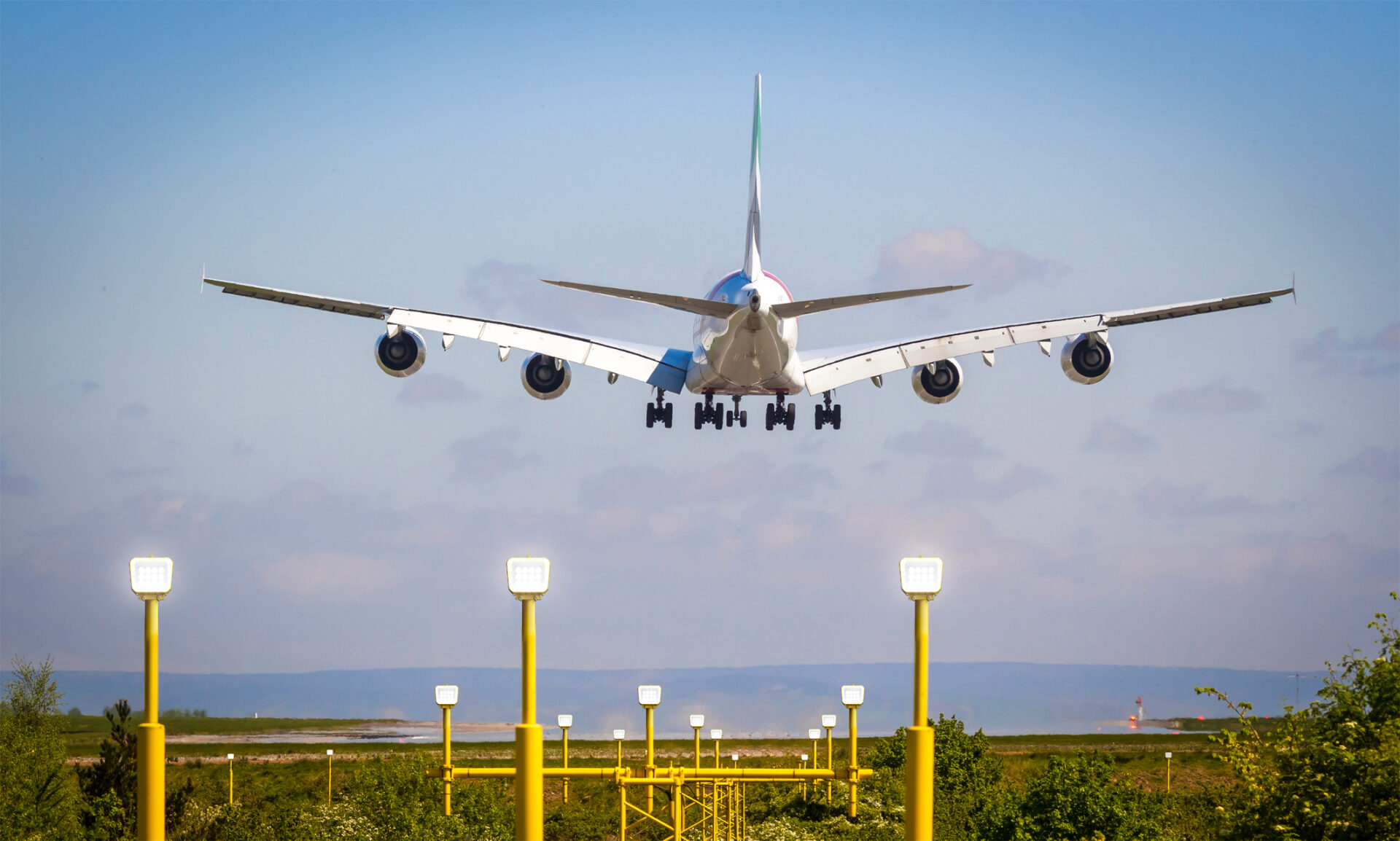
When airports upgrade to CAT I, the discussion usually focuses on lighting performance. In reality, CAT I is not only about lights – it is about infrastructure. Traditionally, upgrading to high-intensity CAT I requires building a large electrical system across the airfield: kilometres of underground cables, trenching along the runway, electrical substations, CCR rooms, regulators, and control equipment. The system then depends continuously on the power grid.
For decades, this model has been standard. High-Intensity Airfield Lighting – and here we talk about CAT I in particular – improves accessibility in low-visibility conditions, supports airline operations, and strengthens airport reliability. But for many airport operators today, the key question is no longer only how to install CAT I.
The real question is: what kind of infrastructure are we committing to operate for the next 20 years?
For large airport operators, a CAT I decision affects more than one runway. It influences capital planning, maintenance structures, long-term operating costs, and the airport’s dependence on electrical infrastructure and grid stability.
For large international hubs with strong engineering teams, traditional cable-based systems are manageable, even if complex. But many CAT I projects today are implemented in very different environments: regional airports, remote locations, island airports, or airports with limited technical teams.
In these environments, infrastructure complexity becomes an operational risk.
Traditional CAT I runway lighting systems operate as interconnected electrical circuits that rely on buried cables, substations, regulators, and a stable power supply.
When everything works properly, the system performs as expected.
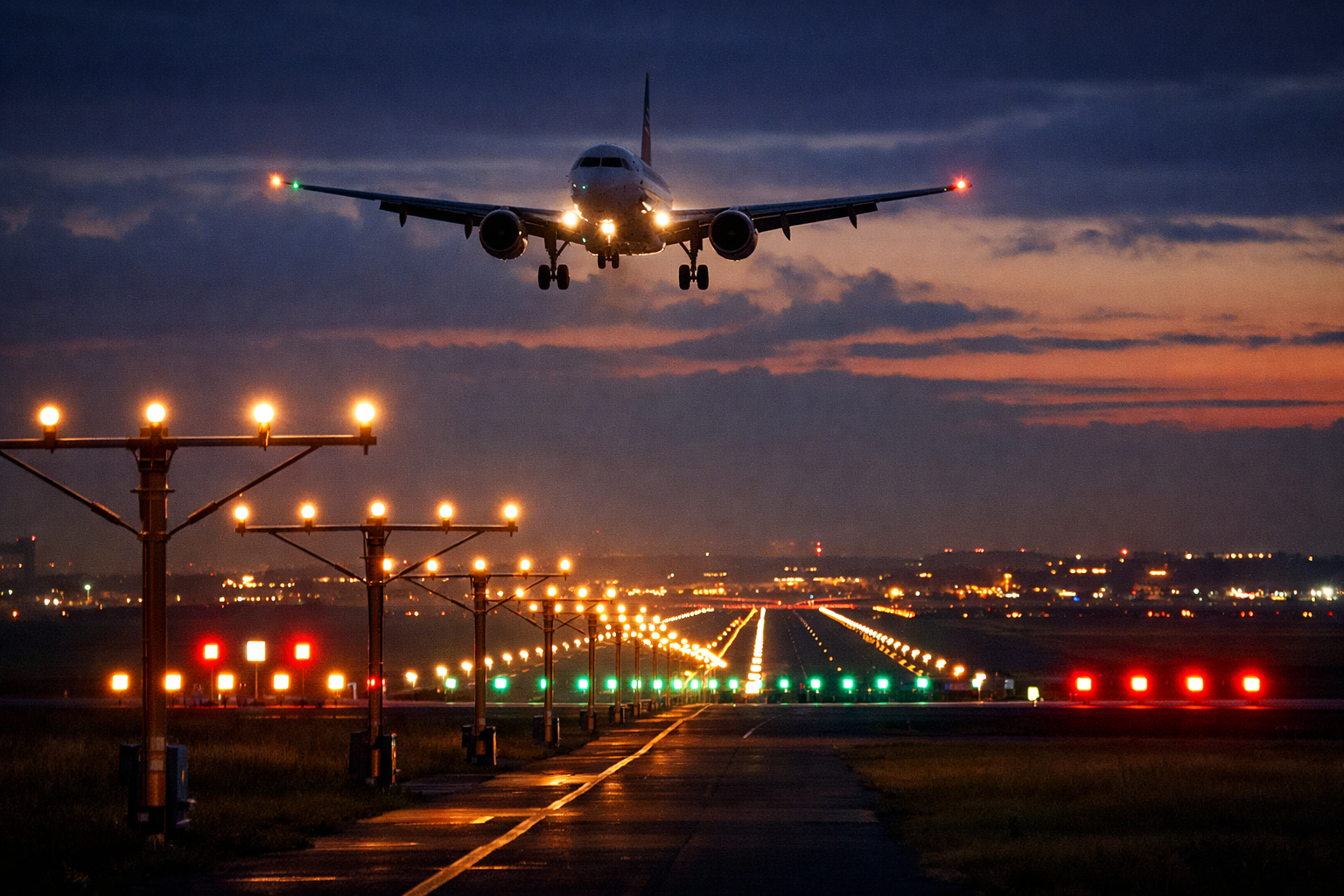
But when something fails, the impact can extend across the circuit. Cable damage, water ingress, equipment malfunction, or grid instability can disrupt operations and require locating faults underground, opening cable channels, and carrying out repairs on the airfield.
S4GA Solar High-Intensity (CAT I) Airfield Lighting System approaches the same regulatory objective through a different infrastructure model.
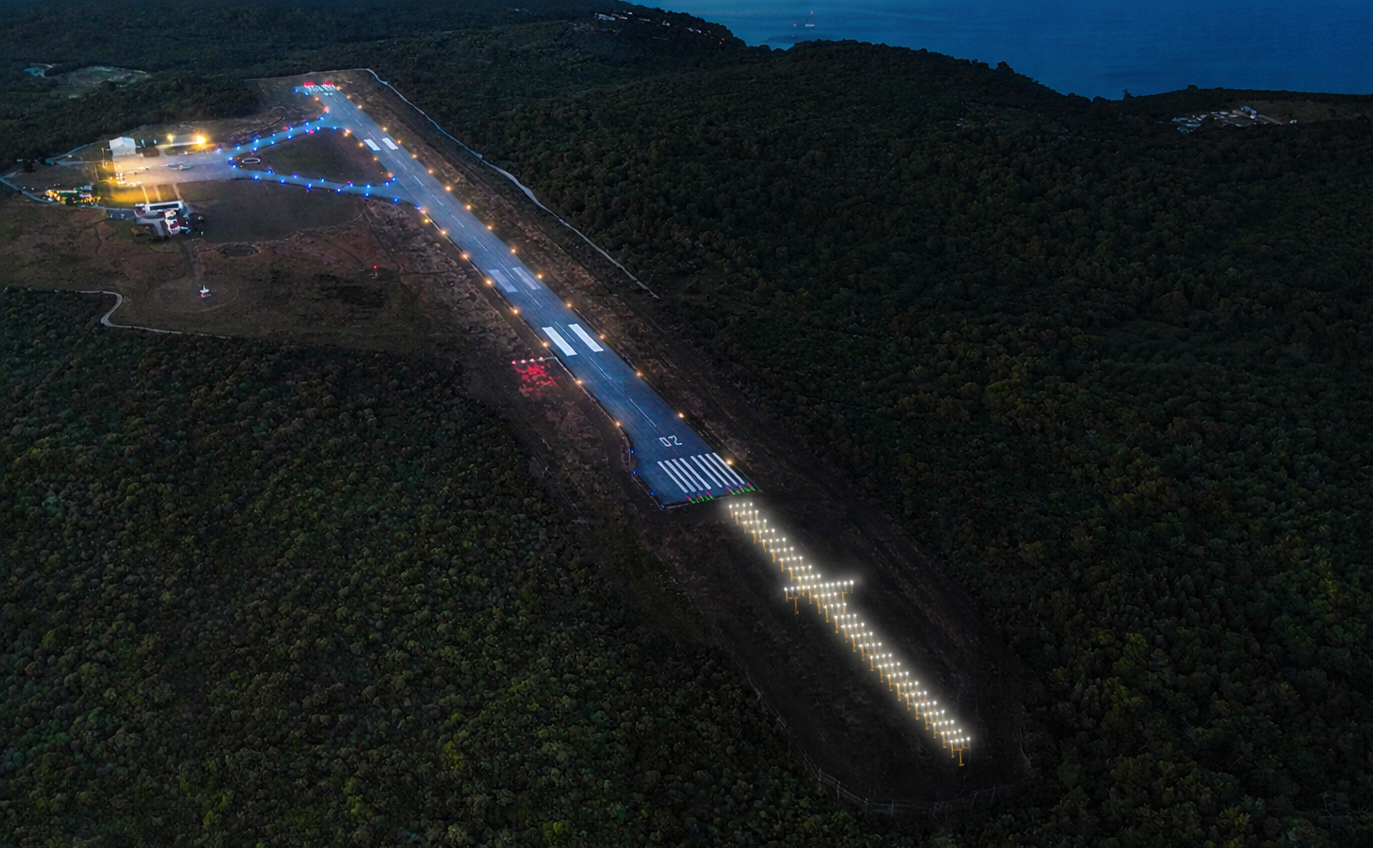
Instead of a single connected electrical ecosystem, the system is decentralized. Each light operates as an independent unit powered by solar energy and controlled wirelessly, without underground cables.
This removes the need for:
Each unit works independently, so servicing one light does not affect the rest of the system.
What changes is the architecture of risk.
Solar CAT I is not presented as a universal replacement for wired systems at major international hubs. Its relevance becomes clear where infrastructure complexity creates operational challenges:
In these cases, the decision is no longer only about installing runway lighting.
It becomes a decision about long-term infrastructure.
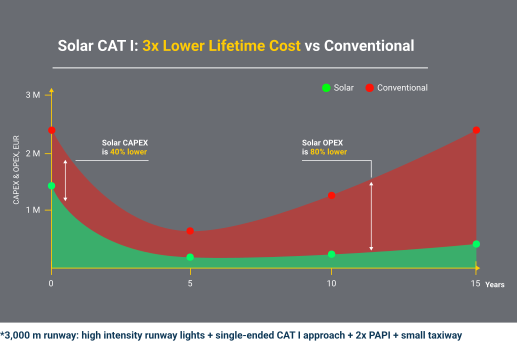
In traditional CAT I projects, a large share of the budget goes to infrastructure: trenching, cabling, electrical systems, and civil works.
Solar CAT I removes much of this layer.
According to S4GA estimates, on a 3,000-meter runway, the reduction in construction and long-term maintenance can reach up to €2.8 million over 15 years.
But for many airport operators, the more important factor is predictability.
Underground infrastructure ages invisibly, failures appear unexpectedly, and maintenance costs are difficult to forecast.
A decentralized system replaces infrastructure uncertainty with more predictable assets.
Solar airfield lighting itself is not new.
S4GA systems operate in more than 70 countries and have accumulated millions of monitored operating hours in different environments, including remote and logistically challenging locations. Airport operators such as VINCI, Fraport, Aerocivil, HIAL, Royal Shiphol Group and others have already deployed solar airfield lighting in their operations.
Solar CAT I extends this proven technology to high-intensity runway lighting used in CAT I operations.
The concept of solar-powered CAT I lighting has also been highlighted in international aviation media. Aviacionline described it as “a potential shift away from traditional cabling-heavy airport infrastructure.”
The technology has also received global industry recognition: at inter airport Europe 2025, S4GA’s Solar CAT I Airfield Lighting System won the Sustainability Innovation Award.
In 2026, S4GA launches the Solar CAT I Validation Program, allowing selected airports to evaluate the system under real operational conditions before committing to full-scale infrastructure investment.
For airport operators managing long-term infrastructure risk, this provides something essential:
Real operational data from their own airport before making an infrastructure decision that will last for decades.
Contact S4GA to evaluate Solar CAT I for your airport before committing to long-term infrastructure investment.