

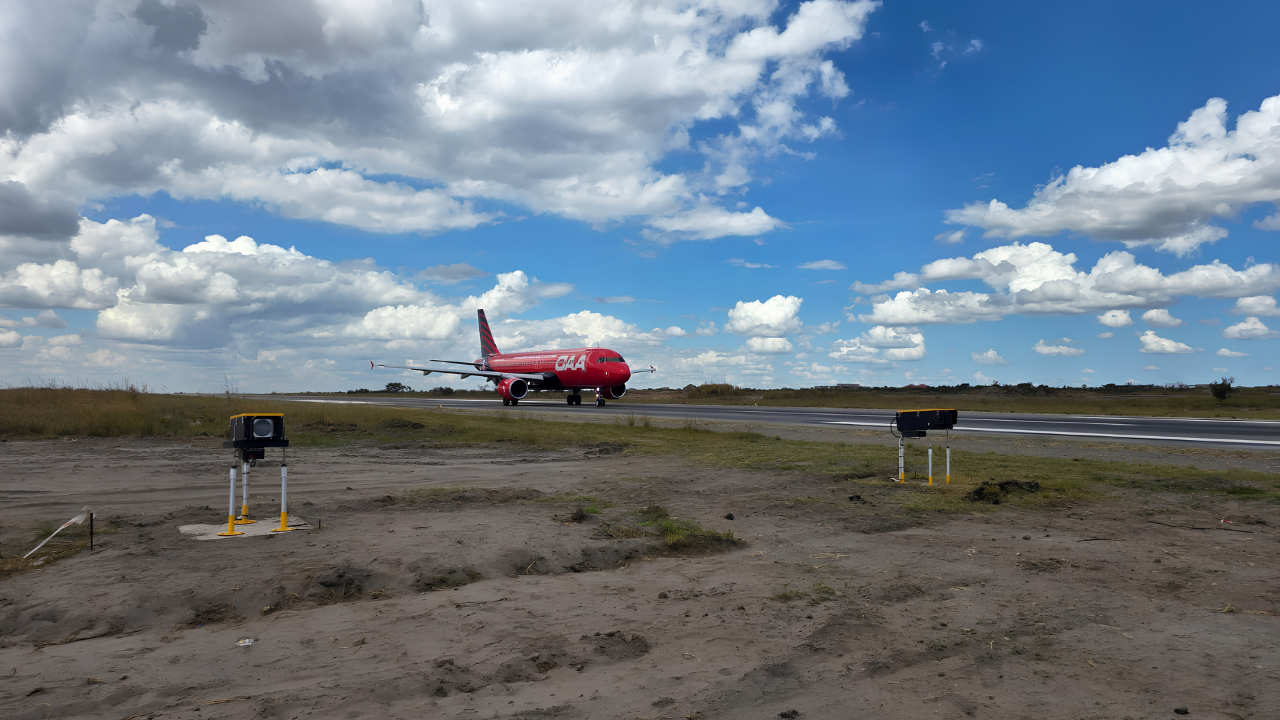
An airfield lighting system can be fully ICAO-compliant and still fail to meet an airport’s operational requirements.
This may sound contradictory, but compliance and operational suitability answer two different questions:
That is why ICAO compliance shouldn’t be the only consideration before investment.
ICAO documentation provides an important professional reference for assessing airfield lighting compliance. ICAO Annex 14, Volume I, and ICAO Doc 9157, Aerodrome Design Manual, establish international standards and guidance for the design and operation of aerodrome lighting.
These documents provide a common technical and safety framework for airports and AGL manufacturers worldwide. They define requirements for areas such as lighting characteristics like photometrics, location and layout of fixtures, electrical systems and power supply, and other operational considerations.
However, compliance with these requirements does not show how an AGL system will perform at a particular airport over time.
This is especially important for solar airfield lighting. A light can meet the required photometric and technical specifications and still not provide enough operating hours under the specific conditions of a given airport.
If the AGL does not have enough available energy to support the airport’s required operating schedule, the consequences become operational. An aircraft may not be able to land or depart as planned, potentially resulting in delays and diversions.
There is more that airport operators should check outside ICAO compliance before investing in a new system.
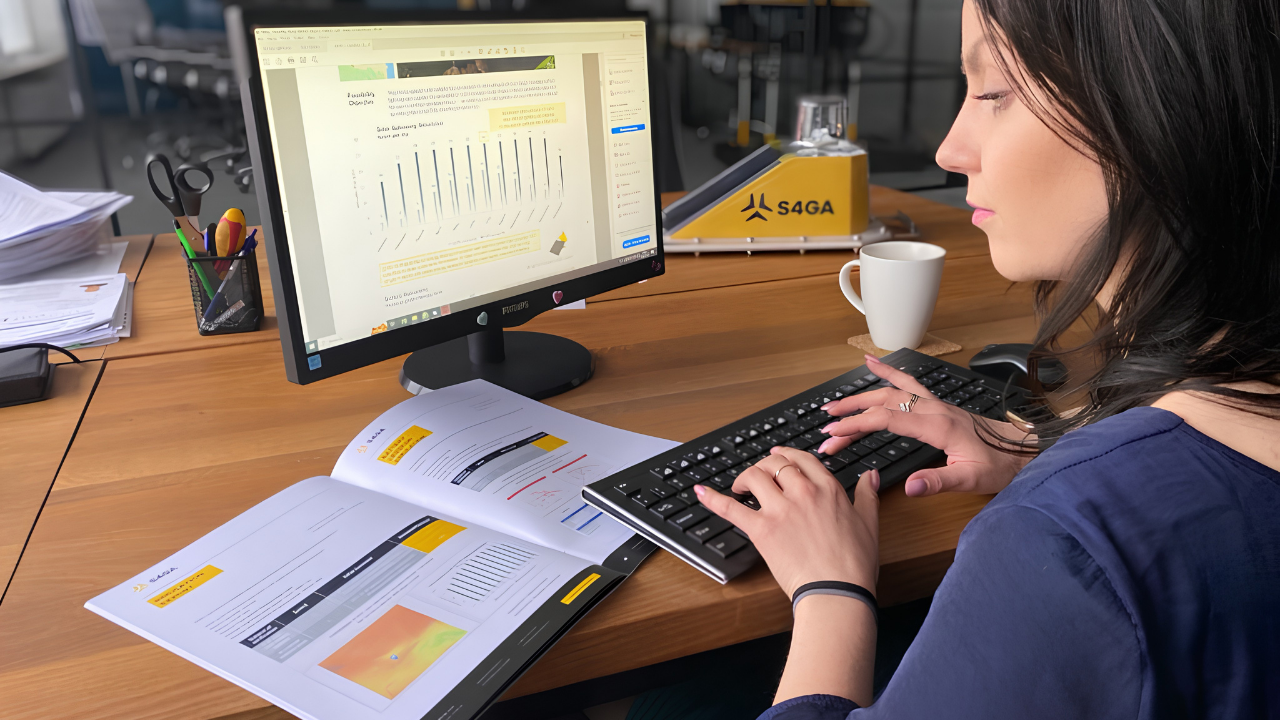
In addition to verifying ICAO compliance, airport operators should assess whether the proposed AGL configuration can meet their actual operational needs. S4GA always offers a feasibility study and on-site testing before an investment.
A SALA Feasibility Study evaluates factors including the airport’s requirements, local weather conditions, available solar energy, and applicable regulatory constraints. The assessment helps determine whether solar airfield lighting is suitable for the location before implementation.
The assessment is usually followed by on-site testing as a part of the S4GA Free Trial Program. By operating the proposed lighting under real local conditions, the airport can compare actual system performance with the results of the feasibility assessment and evaluate whether the solution meets its operational needs before making a final decision.
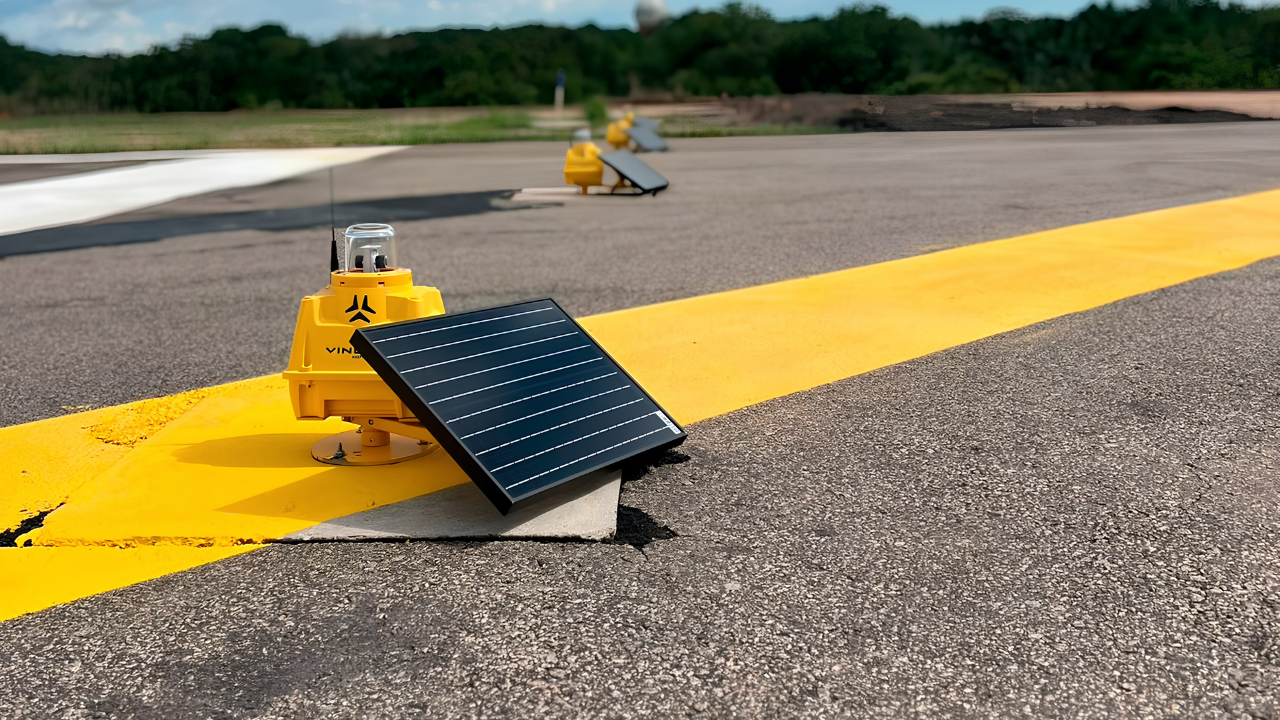
ICAO compliance establishes the required standard, while feasibility assessment and on-site testing help determine whether the system can meet that standard under the specific conditions of the airport.
Together, these steps provide a stronger basis for an investment decision. Rather than relying on compliance documentation alone, airport operators can assess the proposed solution against their actual operating schedule, local environmental conditions, and performance requirements. This helps identify potential limitations before implementation and provides full confidence that the solar airfield lighting system will perform when the airport needs it.
